
What metabolic psychiatry is
The idea itself — that some mental illness may involve how brain cells make and use energy — explained without the hype, and marked clearly as a hypothesis under investigation.
Read the guideSeven pieces covering the idea, the evidence, the food, the risks and the conversation with your doctor. All free to read, all general education, none of it a treatment.
The idea itself — that some mental illness may involve how brain cells make and use energy — explained without the hype, and marked clearly as a hypothesis under investigation.
Read the guide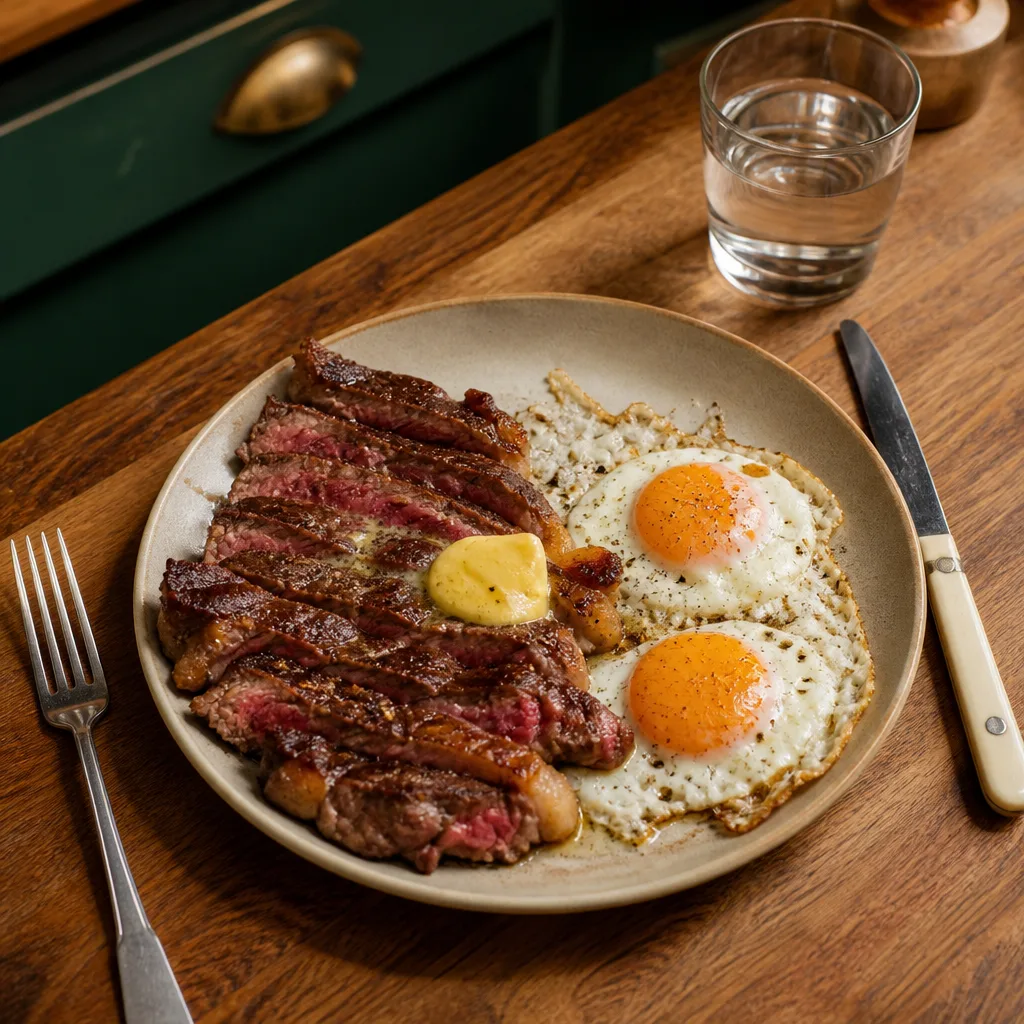
Exactly what is on the plate and what is not: meat, fish, eggs and animal fats, very little or no carbohydrate, and in the strictest version no plant foods at all.
Read the guide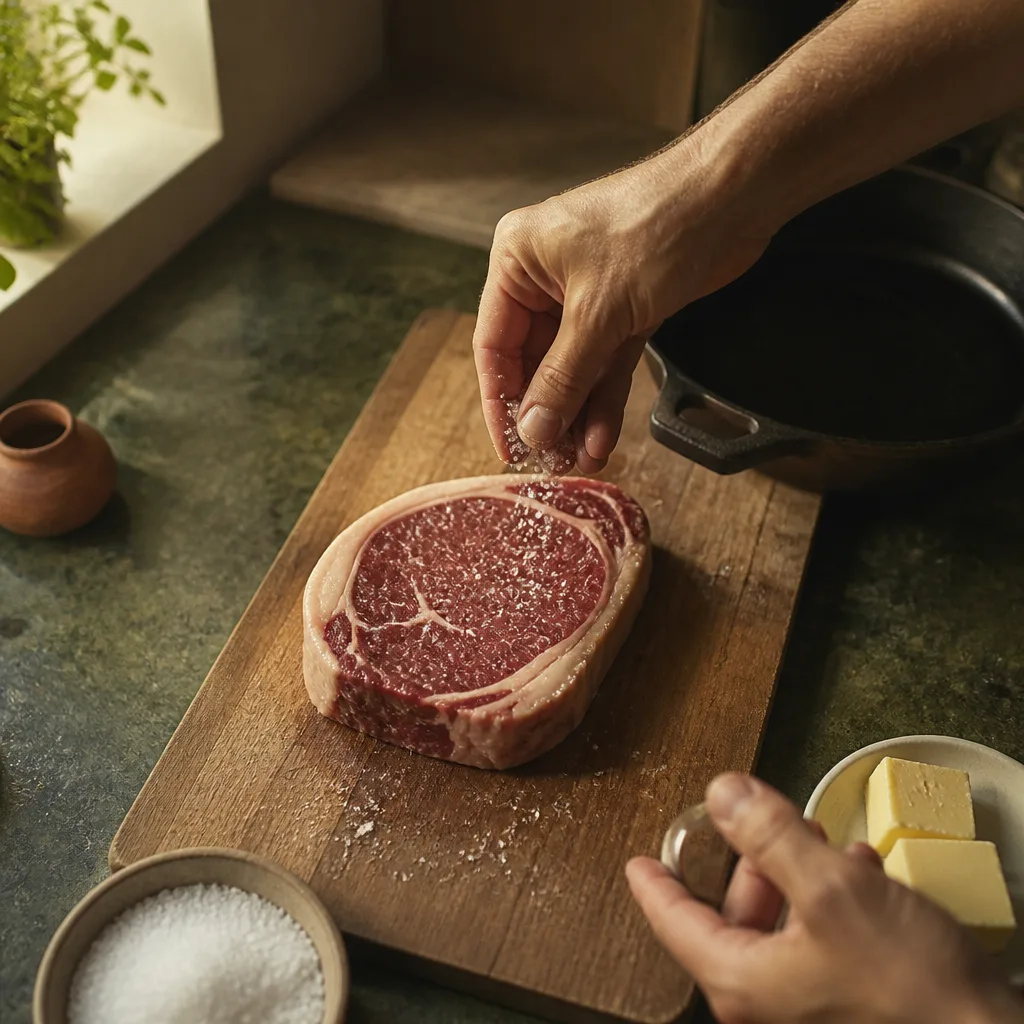
The distinction that nearly every article about this gets wrong, and how to spot it being got wrong.
Read the guide
Nutrient shortfalls, raised cholesterol, the first fortnight, and the bloods worth having before and after you change anything.
Read the guide
If you are going to try it: variety, offal and fish, salt and fluid, what to watch for, and when to stop.
Read the guide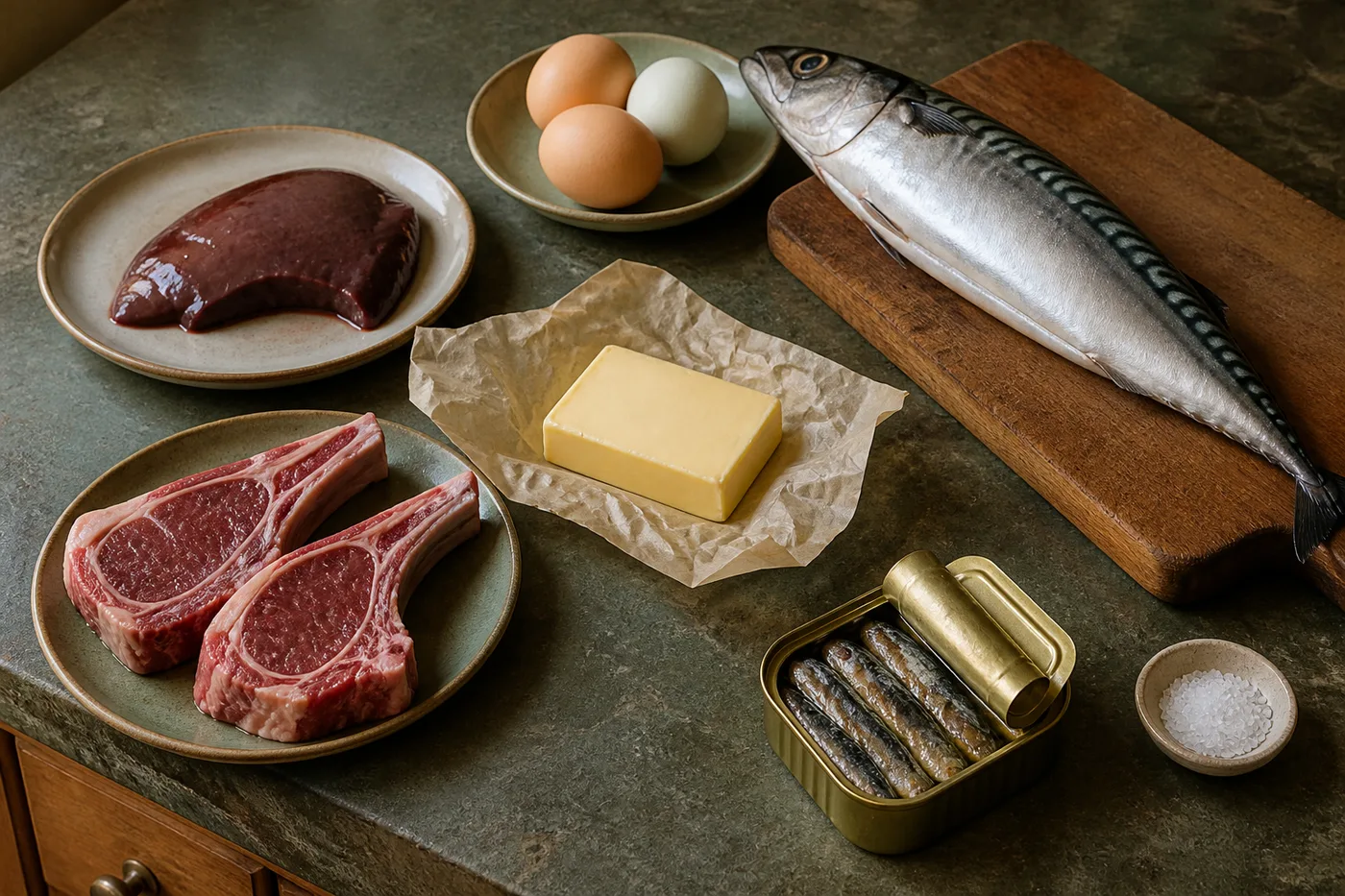
How to raise an emerging research area with a clinician, which medicines need attention, and what to ask for.
Read the guide
The article this site would be dishonest without: who should not try this, and why restriction and low mood are a difficult combination.
Read the guideNone of this is a treatment, and none of it replaces care. If your mood has been low for weeks, see your GP — or in England, refer yourself straight to NHS talking therapies. This site describes a restrictive way of eating; if food feels hard to control, speak to your GP first, and Beat offers free, confidential support. For individual dietary advice, ask to be referred to a registered dietitian.
A written guide (£27) and an online course (£47) are in preparation as separate products. Neither is on sale, and the guides above stay free regardless. Look inside the guidebook · Explore the course