A planned video course covering the same ground in sequence: what metabolic psychiatry proposes, what the trials actually found, what this way of eating involves, how it is monitored, and how to take the whole question to your doctor.
The Depression Diet Online CourseOnline video course £47
Illustrated preview · In preparation · Generated illustration
Sold separately from the guidebook.
A lot is being claimed about this. Very little is known.
Metabolic psychiatry has had a great deal of attention, much of it from people with something to sell. The underlying idea — that some mental illness may involve how brain cells produce and use energy — is being taken seriously by serious researchers.
The course is being built to let you judge the evidence yourself: who was studied, how many, for how long, and against what comparison.
Knowing what is actually known makes the conversation with your doctor a better one.
See the kind of lesson we’re building.
A practical question, the evidence set out honestly, and what to do with it.
Illustrative draft content created for this preview. These are not pages or lessons from a finished product, and they are general education rather than advice about your own health or treatment.
Lesson concept: how to read a trial without being misled. Generated illustration, not a photograph of a real person or patient.
Who was actually in the study?
It is the first question to ask of any headline about diet and mental health, and it is the one that most reporting skips. A result in bipolar disorder is not a result in depression, however similar the two sound in a summary.
Find the population. The Stanford pilot everyone cites studied bipolar disorder and schizophrenia. It says nothing directly about depression.
Count the people. The most-shared paper in this field describes three patients at a private clinic. Three.
Look for the control group. If everybody got the diet, there is nothing to compare four months of close clinical attention against.
Check whether it lasted. The one randomised depression trial found a difference at six weeks that had faded by twelve.
What to do with it: take the actual papers to your clinician rather than the headline, and ask what they make of them.
From the theory to the conversation with your clinician.
Each proposed stage answers a practical question. The final curriculum, running time and access arrangements will be confirmed before enrolment opens. The course has not been clinically reviewed.
1
What metabolic psychiatry proposes
Understand the idea itself — that some mental illness may involve how brain cells produce and use energy, and why ketones have become interesting to researchers. Presented as a hypothesis under investigation, which is what it is.
2
Reading the trials for yourself
Work through the actual studies: who was in them, what was measured, how big the differences were, and which conditions they were studying. Learning to spot when a bipolar finding is being passed off as a depression finding.
3
What the eating pattern involves
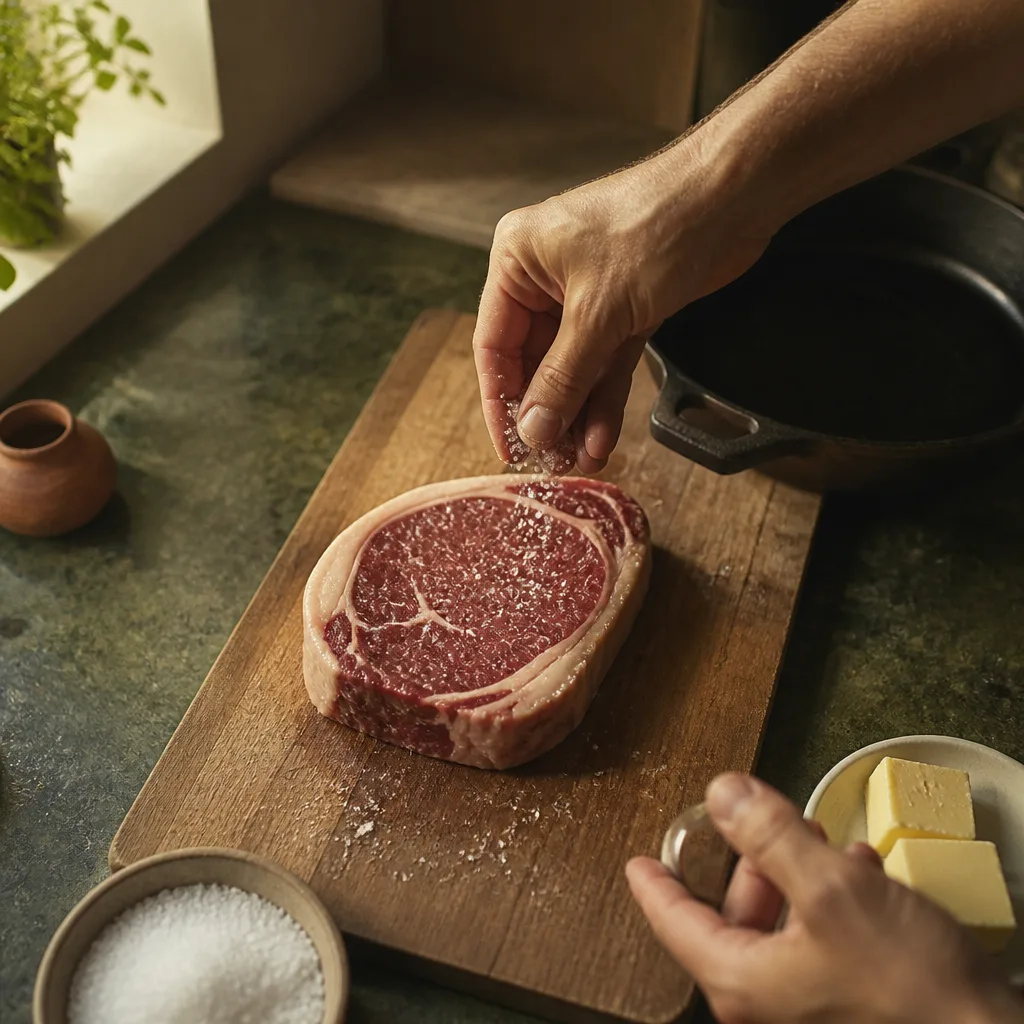
See plainly what is on the plate and what is not: meat, fish, eggs and animal fats, with very little or no carbohydrate, and in the strictest version no plant foods at all.
4
Risks, monitoring and who should avoid it
Cover the nutrient shortfalls and the cholesterol question, the medicines that need attention when carbohydrate drops, and the people for whom this is a bad idea.
5
Taking it to your doctor
Prepare for a real conversation: what to ask, what to monitor, and how to raise an emerging research area with a clinician without it going badly.
General education, not a consultation and not a treatment plan. Generated illustration, not a photograph of a real person or patient.
No promises. No plan. No substitute for care.
There is no claim here that this way of eating will change how you feel, because the evidence does not support one. What there is: an accurate account of the studies, a plain description of the food, and the risks set out rather than skipped.
Education, not treatment. Written to be understood and discussed with a clinician.
Risks included. Nutrient shortfalls and raised cholesterol are in it, not left out.
Points back to care. Every section ends where it should: with your doctor.
Who writes this.
DepressionDiet.co.uk is an independent UK website publishing general education about food, metabolic psychiatry and mental health. It is not a clinic, it does not offer consultations, it carries no advertising or affiliate links, and it has no commercial relationship with any food, supplement or treatment company.
The material is written from named, cited research and from published guidance including the NHS and NICE. It has not been independently clinically reviewed, and that is stated plainly rather than implied otherwise. There are no testimonials anywhere on this site, invented or real.
General health education. No diagnosis, no personal coaching, no treatment and no promised outcome.
IndependentNo sponsors. No clinical claims.
For people who want to judge it themselves.
A good fit if you would rather learn to read the evidence than be told what it says.
You prefer working through material in sequence rather than reading scattered articles.
You want to be able to read a study and judge it, not just be told what it said.
You are getting proper treatment and want to understand something you have come across.
See the thinking. Then talk to your doctor.
A proposed sequence of video lessons on the research and the food
Planned guidance on reading trials and spotting overstatement
Planned coverage of risks, monitoring and who should avoid this
Planned help preparing for a conversation with your clinician
Proposed contents. The final format, lessons and access will be confirmed before launch. This is general education, not medical treatment, and it is not a substitute for seeing your GP. Do not change prescribed medication on the strength of it.
The Depression Diet Online Course
£47
Planned price. The £27 guidebook is a separate product, bought separately, and is not included.
Coming soon
In development. No confirmed launch date and no checkout. No payments are being taken and there is nothing to sign up to.
Availability, suitability, and the limits of what something like this can do.
Can I enrol now?
No. The course is in preparation and there is no confirmed launch date. No orders, enrolments or payments are being taken, and there is no checkout on this site.
Does the £47 include the guidebook?
No. They are two separate products: the guidebook is £27 and the course is £47, and each is bought on its own. Neither is on sale yet.
How many lessons are there, and how long does it take?
The lesson list and total running time are still being developed. Those details, along with the platform and access arrangements, will be published before enrolment opens.
Is this medical treatment?
No. It is general education about an emerging research area and about food. It does not diagnose, does not treat, and does not replace care from your GP or specialist. It should sit alongside medical advice rather than instead of it.
Will there be personal coaching or a diet plan?
No personal coaching, individual dietary advice or prescribed plan is part of this. Personalised advice needs a clinician or a registered dietitian who knows your history — particularly for a way of eating this restrictive.
Is it suitable if I have a history of disordered eating?
Please speak to your care team first. A course describing a diet that removes entire food groups is a poor fit for anybody with that history, and this is said plainly rather than left for you to work out. Beat offers free, confidential support in the UK.
What are the access and refund terms?
Delivery, access and purchase terms, including any refund policy, will be confirmed before payments open. No lifetime-access claim or money-back guarantee is being made now.