An emerging idea.
Reported honestly.
Including the gaps.

Metabolic psychiatry asks whether the way brain cells make and use energy matters in mental illness — and whether a ketogenic, animal-based way of eating has anything to offer. This site sets out what has actually been found, and what has not.

This is not a treatment for depression. If your mood has been low for weeks, please start with your GP.

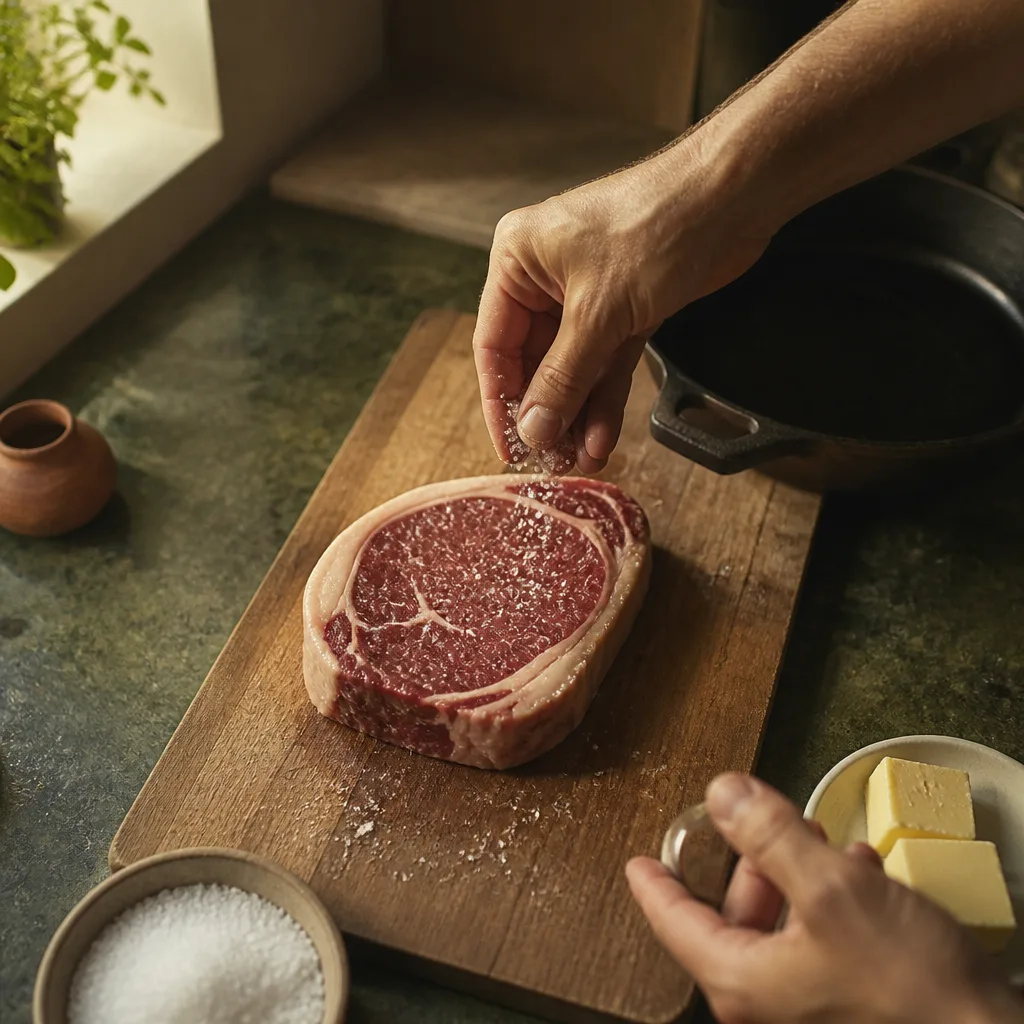
A pair of hands seasoning a steak on a wooden board at a kitchen counter
Generated illustration.
An open notebook with handwriting, printed research papers, reading glasses and a mug on a desk

The short version
of a long argument.

One randomised trial in depression. A three-person case series. And a lot of noise.

Metabolic psychiatry — the idea that some mental illness involves how the brain produces and uses energy, and that a ketogenic diet might therefore help — is a real and active research area. Most of its more striking findings are in bipolar disorder and schizophrenia rather than in depression. For depression specifically there is now one randomised trial, in people whose antidepressants had not worked: the ketogenic group improved by about two more points on a depression questionnaire at six weeks, a difference that only just reached significance, had faded by twelve weeks, and which the authors themselves called of uncertain clinical relevance. Beside it sits a three-person case series. A review of eating only animal foods found nine human studies in all and concluded that long-term adherence cannot currently be recommended. This is a field worth watching. It is not a treatment, and nobody should read it as one.

Read every study, limitations included

What is actually
being proposed.

Named plainly, so you can look it up, weigh it and talk about it.

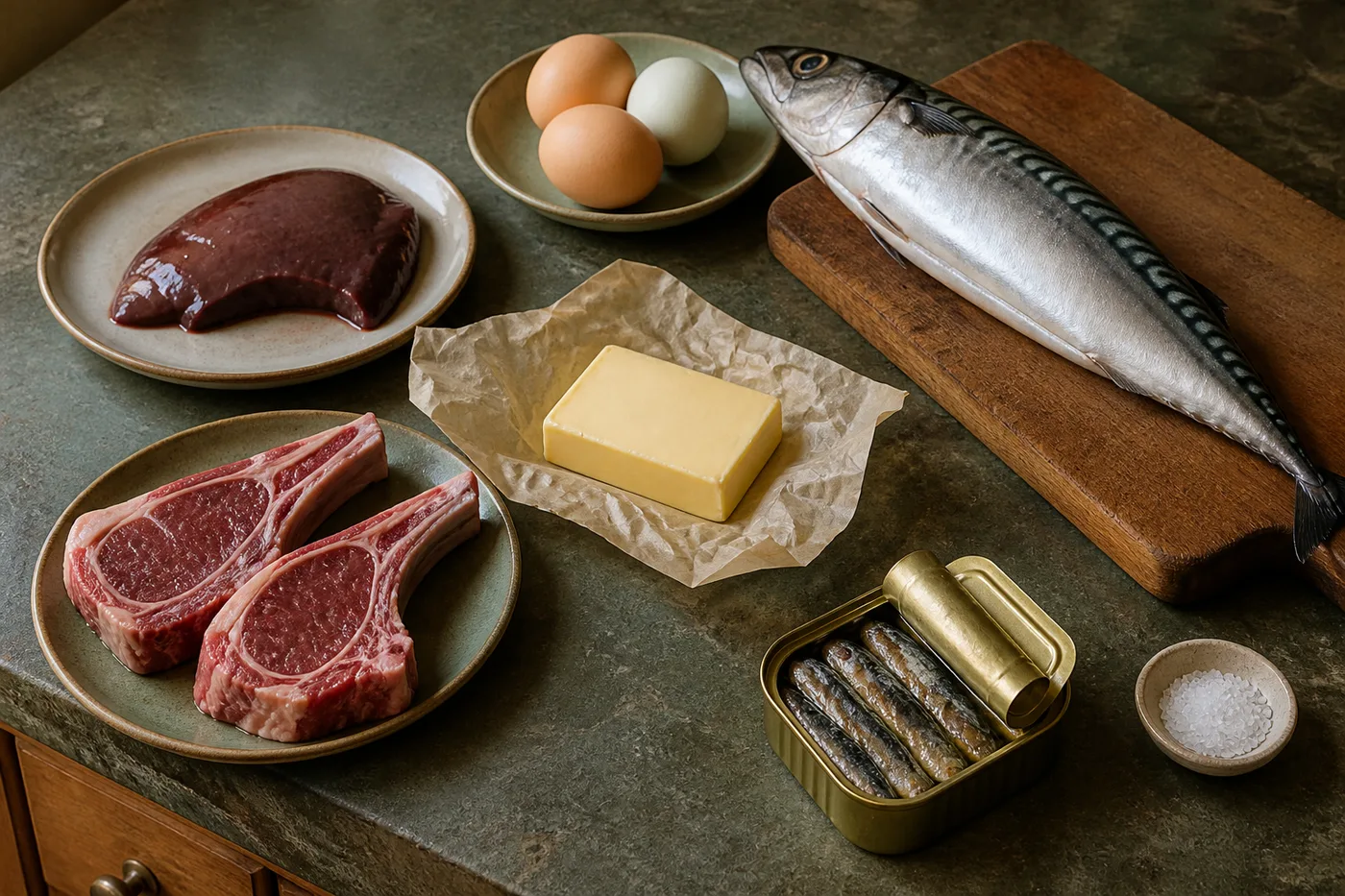
The eating pattern in this research is animal-based and very low in carbohydrate. On the plate: meat, offal, fish and shellfish, eggs, animal fats such as butter and tallow, and in some versions hard cheese and cream.

In its strictest form it excludes every plant food — grains, bread, pasta, rice and potatoes, pulses, vegetables, fruit, nuts, seeds and vegetable oils. That means very little fibre and no vitamin C from food, which is why the monitoring matters.

Restrictive, deliberately. Worth understanding before you start, not after.

Read what it involves in full
Cuts of beef and lamb, whole fish, eggs and a block of butter arranged on a counter

Learn to read it
for yourself.

A planned course on what metabolic psychiatry proposes, what the trials found, what the food involves, and how to take the question to your doctor.

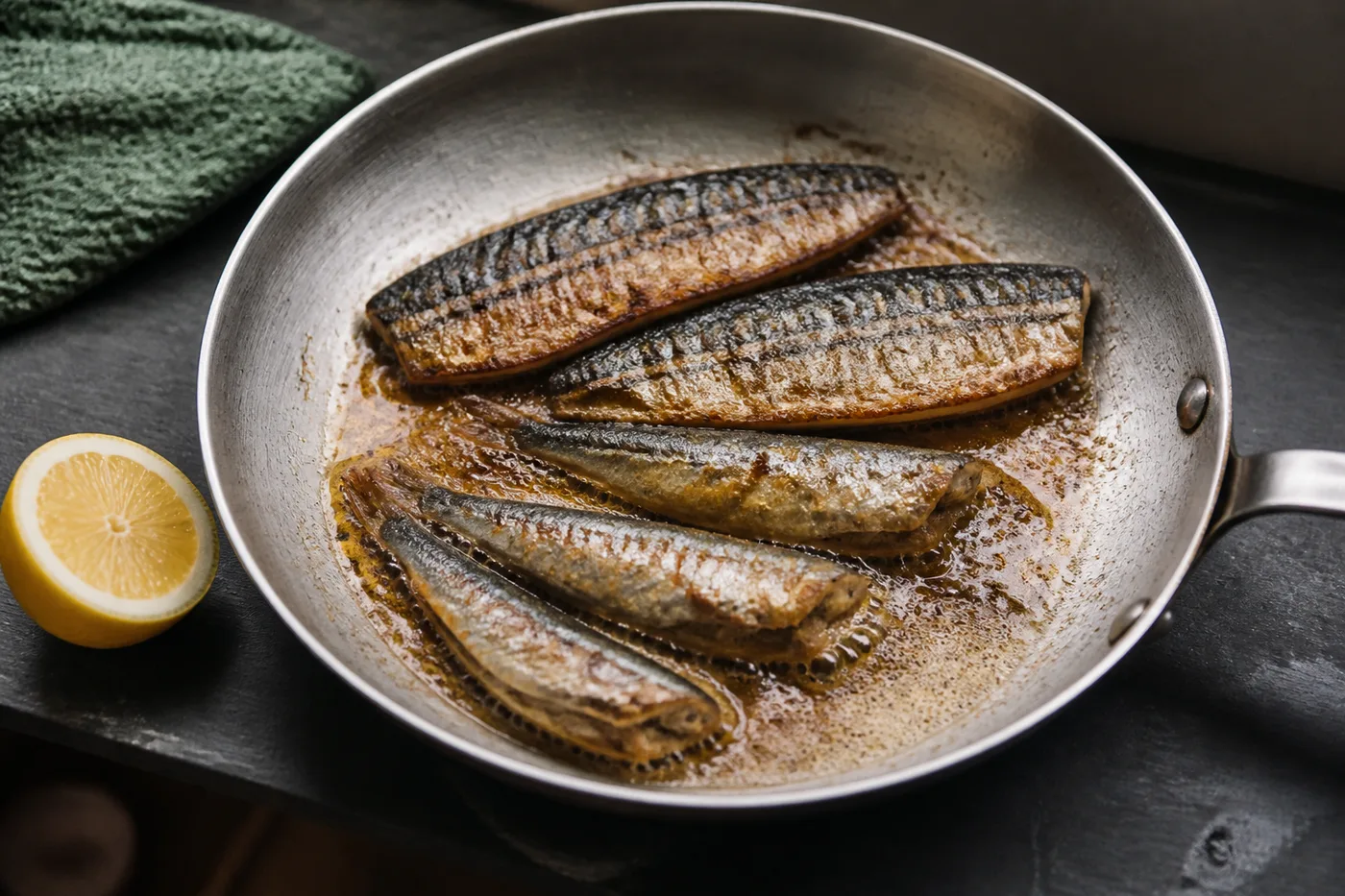
Eggs frying in butter in a cast-iron skillet on a hob
Course introductionVideo coming soonWe are preparing this introduction. Generated illustration.

The course is in preparation at a planned price of £47. It is a separate product from the £27 guidebook and does not include it. No confirmed launch date, and no payments are being taken.

Explore the planned course

Guidebook & course.

Two resources are in preparation. Both are education about an emerging research area and about food. Neither is a treatment, and neither replaces seeing your GP.

Paid ebook

The Depression Diet
Guidebook

A written guide to what the research on metabolic psychiatry actually found, what an animal-based very-low-carbohydrate way of eating involves and excludes, the risks it carries, and how to discuss it with your doctor.

It is not written yet. The contents and release date have not been confirmed, and no payments are being taken.

Online video course

The Depression Diet
Online Course

A planned video path through the same ground in sequence: the idea, the trials and how to read them, what is on the plate, the risks and monitoring, and the conversation with your clinician.

The course is not available yet. Its content and launch date have not been confirmed.

Read the free guides

Both are in preparation and neither can be bought. They are separate products, bought separately — the £47 course does not include the £27 guidebook. No orders or payments are being taken, and no launch date has been set.

Before you change anything.

Four things worth settling first.

Good questions.
Honest answers.

Including the ones where the honest answer is no.

Is there a diet that treats depression?

No. Depression is treated with talking therapy, medication, or both, arranged through your GP or an NHS talking therapies service. No diet has been shown to treat it. Anyone telling you otherwise is going well beyond what is known.

What is metabolic psychiatry?

The idea that some mental illness may involve how brain cells produce and use energy, and that a ketogenic diet — which shifts the body to running on ketones made from fat — might therefore be worth studying. It is a research area, not an established treatment.

What does this way of eating actually involve?

Food from animals: meat, offal, fish, eggs, animal fats, and dairy in some versions. Very little or no carbohydrate. In its strictest form it excludes all plant foods — grains, bread, rice and potatoes, pulses, vegetables, fruit, nuts and seeds. It is genuinely restrictive, and this site describes it as such.

Does the research show it works for depression?

Not clearly. One randomised trial in treatment-resistant depression found the diet group improved about two points more on a depression questionnaire at six weeks — a difference that only just reached statistical significance and had faded by twelve weeks. The authors called its clinical relevance uncertain. Beside that sits a three-person case series.

I have read that it works for bipolar disorder. Is that the same thing?

No, and this is the distinction that matters most on this site. The stronger results come from studies of bipolar disorder and schizophrenia, which are different conditions with different treatments. A finding in one is not a finding in the other, and anybody presenting it that way is misleading you.

Is it safe?

It carries documented risks. A review of this way of eating flagged likely shortfalls in vitamin C, vitamin D, calcium, magnesium, iodine and fibre, and raised LDL and total cholesterol, and its authors concluded that long-term adherence cannot currently be recommended. Anyone considering it should talk to a doctor first and have bloods monitored.

Can I stop my antidepressants if I eat this way?

No. Never stop, start or change prescribed medication because of something you read here or anywhere else online. Stopping antidepressants suddenly can make you unwell. If you want to come off them, that is a conversation with your prescriber, who can help you do it safely.

Is this site run by a doctor or a dietitian?

No, and it does not claim to be. It is an independent UK site publishing general education, written from named, cited research and from NHS and NICE guidance. No clinical review has taken place. There are no testimonials on this site of any kind.

I have a history of disordered eating. Should I try this?

Please speak to your GP before changing how you eat. A diet that removes entire food groups is a poor fit for anybody with that history, and eating difficulties overlap heavily with depression. Beat offers free, confidential support in the UK.

I need to talk to someone now.

Please call the Samaritans on 116 123 — free, confidential and open at any hour. For urgent medical help that is not an emergency, call NHS 111. If you or someone else is in immediate danger, call 999.

Food, evidence
& useful reading.

All articles
Eggs frying in butter in a cast-iron skillet on a hob

Doing it as safely as possible

Practical · 7 min read

If you are going to try it: variety, offal and fish, salt and fluid, what to watch for week by week, and the signs that mean stop and see a doctor.

Read article

Six things worth
understanding first.

  • The idea, stated plainly

    Metabolic psychiatry proposes that some mental illness involves how brain cells produce and use energy, and that ketones — the fuel the body makes from fat when carbohydrate is scarce — might matter. It is a hypothesis under investigation, not an established mechanism.

  • Most of the evidence is not about depression

    The more striking results come from studies of bipolar disorder and schizophrenia. Those are different conditions with different treatments, and a finding in one is not a finding in the other.

  • The one depression trial was modest

    A randomised trial in treatment-resistant depression found about a two-point advantage on a depression questionnaire at six weeks. It had faded by twelve weeks, and the authors described its clinical relevance as uncertain.

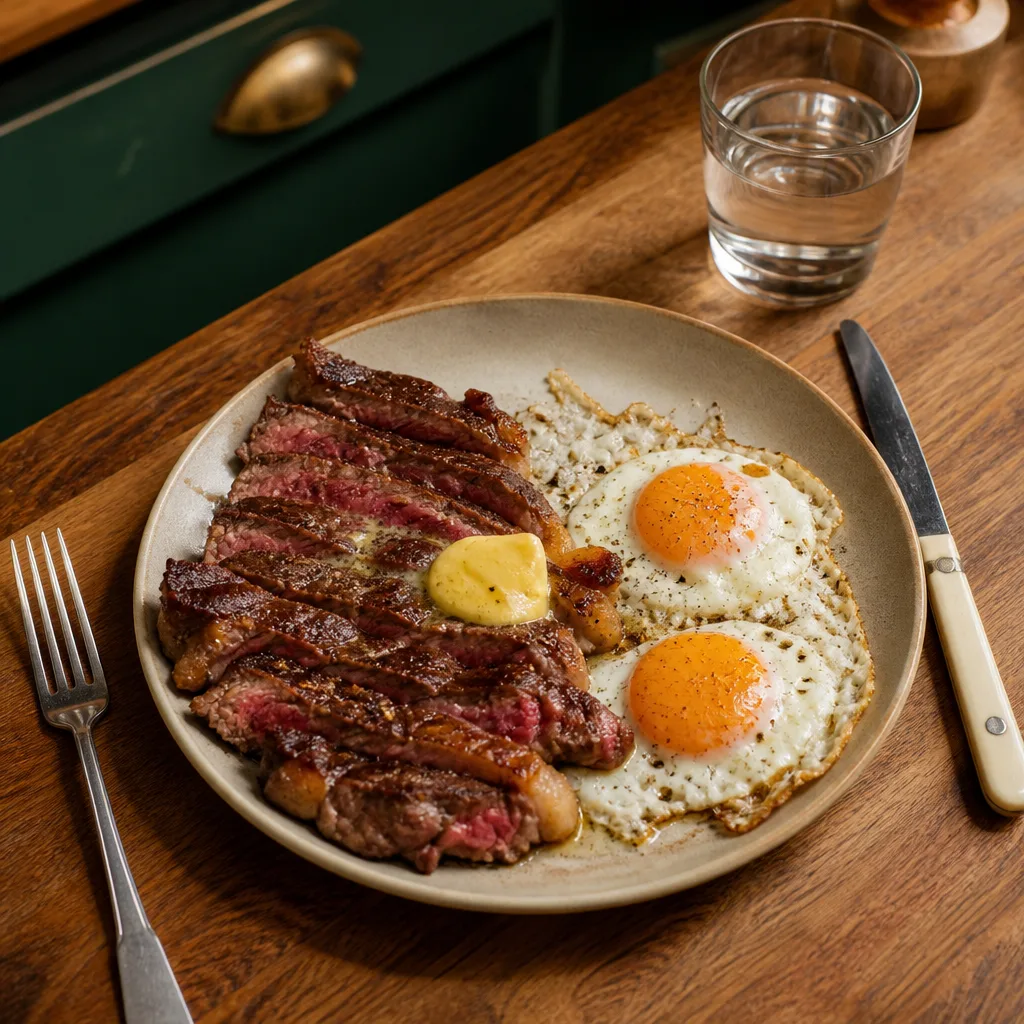
A plated meal of sliced steak, fried eggs and butter
  • It is a genuinely restrictive way of eating

    Meat, fish, eggs and animal fats, with very little or no carbohydrate. The strictest version excludes all plant foods — grains, pulses, vegetables, fruit, nuts and seeds. Anyone considering it should know that from the start.

  • There are documented risks

    A review of this way of eating flagged likely shortfalls in vitamin C, vitamin D, calcium, magnesium, iodine and fibre, along with raised LDL and total cholesterol. Its authors concluded that long-term adherence cannot currently be recommended.

  • Adherence is the practical problem

    In the one randomised depression trial, fewer than one in ten participants were still following the diet once the study support ended. Whatever the biology turns out to be, this is hard to keep up without help.

Read every study, limitations included

General information drawn from named, cited research and from published guidance including NHS guidance on depression in adults, NICE guideline NG222 and the British Dietetic Association food fact sheet on food and mood. This page has not been independently clinically reviewed.