How this site is written.
An independent UK site about metabolic psychiatry, food and low mood. These are the rules it is built on, written down so you can hold it to them.
DepressionDiet.co.uk publishes general education about an emerging research area: whether the way brain cells produce and use energy matters in mental illness, and what the studies of ketogenic and animal-based eating have actually found.
It is not a clinic. It does not offer consultations, diagnosis or personal dietary advice, and it is not a substitute for care from a GP or a registered dietitian.
The domain name is a plain description of what people search for. It is not a claim that a diet treats depression, and you will not find that claim anywhere on the site.
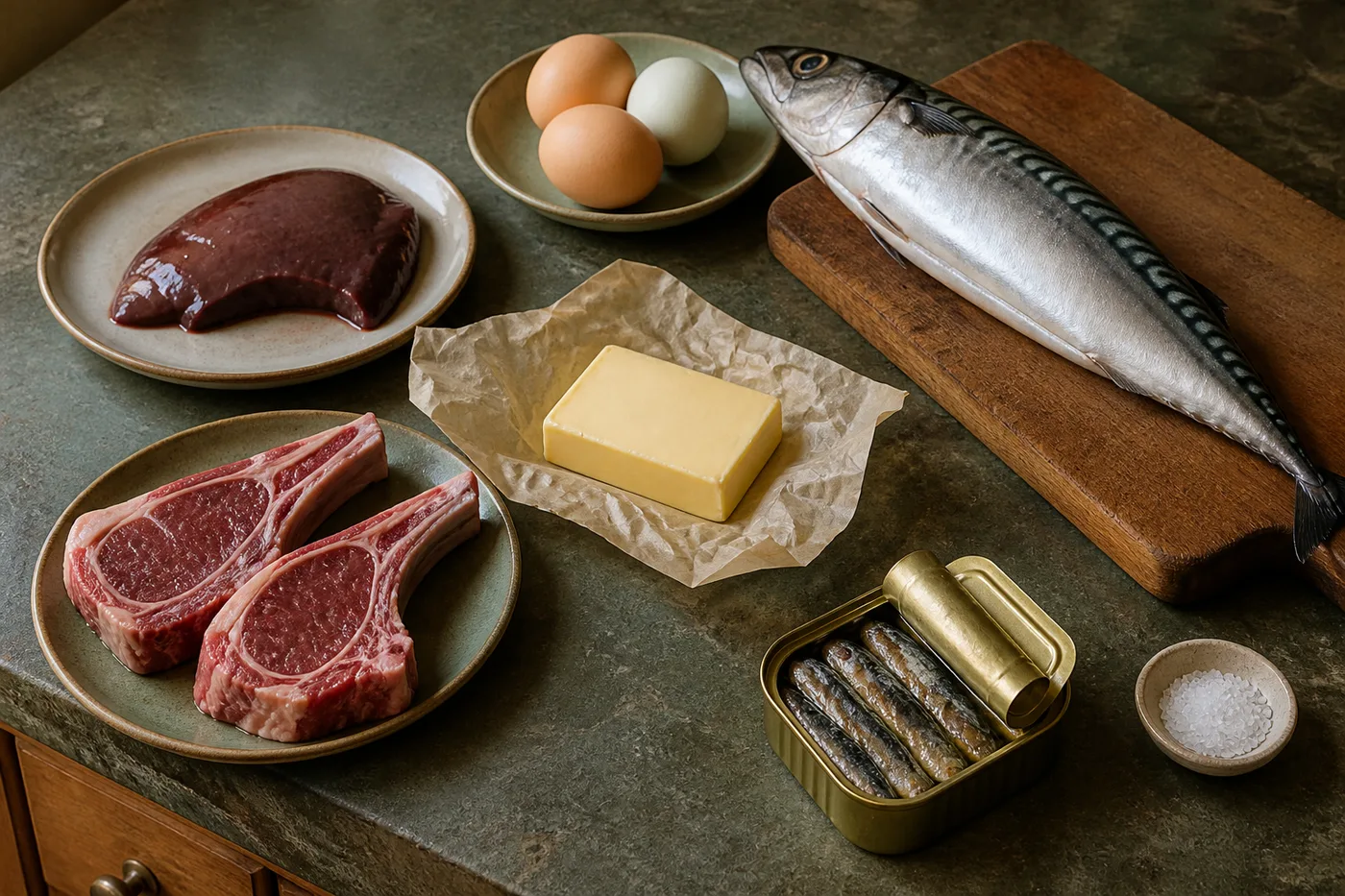
Why this site exists
Metabolic psychiatry has had an enormous amount of attention, much of it from people with something to sell, and most of it overstating what is known. A pilot study in schizophrenia becomes a headline about depression. A case series describing three patients becomes proof.
This site takes the opposite approach: say which condition each study looked at, say how many people were in it, say whether there was a control group, include the review that flags the risks, and then get on with the genuinely useful part — what the food actually is, what it does to your bloods, and how to discuss it with a doctor.
The rules
No claim that food treats depression
Depression is treated with talking therapy, medication, or both. Nothing here says, implies or hints that eating differently is a treatment, a cure, or a reason to change a prescription.
Studies named, cited and criticised
Where research is mentioned it is named, linked and given with its limitations. The review that flags the risks appears alongside the case series that reported benefit, and the funding declarations are reported where they exist.
The populations are never blurred
Most of the stronger findings in this field are in bipolar disorder and schizophrenia. They are not findings about depression, and this site never lets one read as the other.
The eating pattern is described, not hinted at
Every page that discusses it says what it includes and what it excludes — including that the strictest version removes all plant foods. Describing a diet without a contested label is fine; describing it so vaguely that you cannot tell what is being proposed is not.
No testimonials, ever
No success stories, no recovery accounts, no before-and-after, invented or real. On a subject where people are unwell and something is being sold, a testimonial is a promise dressed as a story.
No advertising and no affiliate links
No advertising, no sponsored content, no affiliate links, and no commercial relationship with any food, supplement or treatment company. The only things this site will ever sell are its own guide and course.
No clinical review is claimed
No doctor or dietitian has reviewed this content. That is said plainly rather than implied otherwise. If a review happens, the statement will be updated rather than quietly dropped.
No personal identity
There is no author name, portrait or founder story here, because none of it would tell you anything useful about whether the information is sound. Articles are published as DepressionDiet.co.uk, and the content schema enforces it.
Where the information comes from
Named research, listed in full with its limitations on the evidence page, together with published guidance — principally NHS guidance on depression in adults, NICE guideline NG222 and the British Dietetic Association's food fact sheet on food and mood.
On the products
A written guide and an online course are in preparation. Neither can be bought yet. When they can, they will be sold as what they are — an explanation of a research area and a practical account of a way of eating — and not as a route out of depression, because that is not something anyone can honestly sell.
Corrections
If something here is wrong, out of date or overstated, please say so and it will be fixed. That expressly includes anything that reads as a stronger claim than the evidence supports. Get in touch.
If you are struggling right now, the Samaritans are free and open at any hour on 116 123. Mind has free information and support. For urgent medical help that is not an emergency, call NHS 111; in an emergency, 999.